



Understanding Female Hair Loss: Causes, Confidence and Finding Support
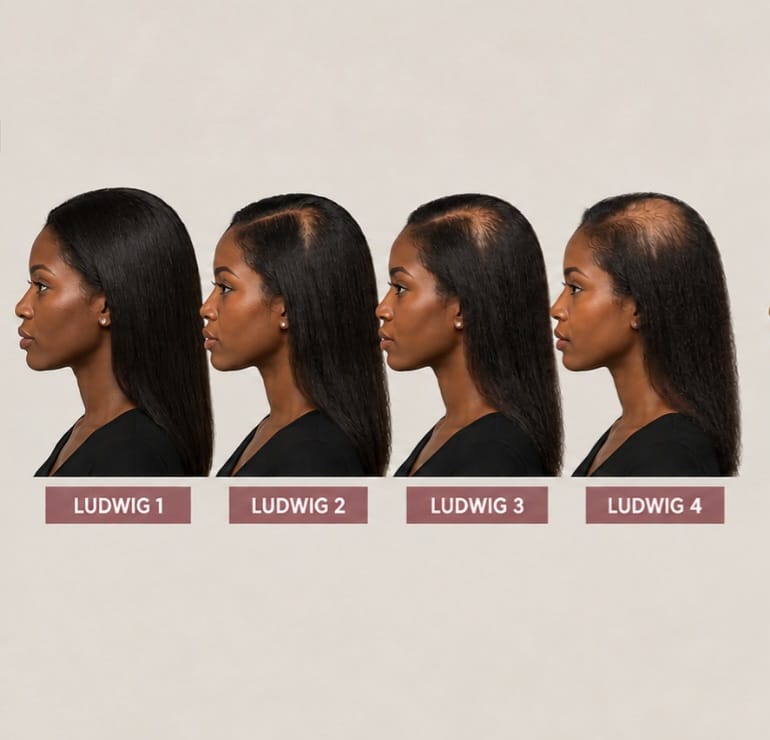
You change your hair parting before leaving the house. Then change it again. Perhaps your ponytail feels thinner, edges feel scarce or you have started choosing hairstyles to work around an area of your hair that used to look fuller.
Noticing these changes can bring questions you do not know how to ask. Is this temporary? Is something wrong? Can anything help?
Female hair loss deserves understanding and proper assessment. You do not have to wait until it becomes more noticeable before seeking advice.
When hair changes affect how you feel
Hair can be connected to identity, culture and self-expression. When it changes unexpectedly, the impact can extend beyond appearance. You might feel uncomfortable in photographs, worry about someone noticing the difference or spend more time checking your hair.
The misconception that hair loss mainly affects men can make these experiences harder to discuss. Well-meaning advice to “stop worrying” may leave you feeling dismissed.
Your concerns deserve to be heard. Speaking to someone you trust, a doctor or a support group can help you feel less isolated. Choosing treatment, wearing a wig or changing your hairstyle is a personal decision. None of these choices determines your worth.
What causes hair loss in women?
Hair loss can have several causes, and similar-looking changes may need different approaches. An examination and medical history help establish what is happening.
Hereditary hair loss: Female pattern hair loss often develops gradually, with a widening parting or reduced fullness across the top of the scalp. It can run in families and become more noticeable around or after menopause. It is progressive, so assessment at an early stage can help guide treatment.
Changes in the hair growth cycle: Childbirth, significant illness, surgery, major stress or marked weight loss can trigger increased shedding called telogen effluvium. This often appears a few months after the trigger and affects the scalp more generally. It frequently improves, although recovering fullness takes time.
Nutritional and medical factors: Iron deficiency and thyroid conditions are among the possible contributors a clinician may investigate. Blood tests may be appropriate depending on your symptoms and history. Taking supplements without identifying a deficiency may not address the cause.
Tension from hairstyles: Repeated pulling from tight braids, cornrows, extensions or ponytails can cause Traction Alopecia. The issue is sustained tension: a hairstyle should not cause pain. Long-standing traction can permanently damage follicles.
Other scalp conditions: Alopecia Areata can cause sudden patches of hair loss. Inflammatory or scarring conditions can also affect growth and require specialist assessment. These possibilities are a starting point for discussion, rather than a way to diagnose yourself.
Is it shedding, breakage or progressive thinning?
Finding loose hairs does not automatically mean you have a lasting hair loss condition. However, a persistent change from your usual shedding, visible patches or a gradually widening parting is worth discussing with a doctor.
Breakage can also make hair appear thinner. During an assessment, a clinician can examine the scalp and hair to help distinguish between these changes.
Temporary shedding and progressive female hair thinning may overlap. Assuming everything is caused by stress or styling could delay identifying another condition.
Practical steps you can take
Start by noting when the changes began, which areas are affected and whether anything else has changed. Recent illness, childbirth, medication changes, dietary restrictions and scalp discomfort may all be relevant.
Photographs taken occasionally in similar lighting can help you explain changes without feeling you need to check constantly.
Arrange an appointment with a doctor or dermatologist to understand the cause before committing to treatment. Seek prompt medical advice for sudden or patchy loss, or hair loss accompanied by pain, burning, redness, scaling or sores.
In the meantime, avoid hairstyles that pull or hurt your hair, handle your hair gently and resist trying several new products at once. Do not stop prescribed medication without speaking to your doctor.
Finding the right treatment for you
Treatment depends on the diagnosis, your health and your preferences.
For some women, managing an underlying condition or allowing recovery after a temporary trigger may be appropriate. For female pattern hair loss, topical minoxidil is one option a doctor may discuss. It does not work for everyone and generally requires continued use to maintain benefits. Seek advice about suitability, particularly if you are pregnant, planning pregnancy or breastfeeding.
A Hair Transplant may be suitable for selected women, but it is not appropriate for every cause or pattern of hair loss. The availability of healthy donor hair is one factor in assessing suitability. An individual assessment should come before any recommendation.
Take the next step with support
You do not need to have all the answers before asking for help. Understanding the cause can make your next decision clearer, whether that involves medical care, treatment or support with how you feel.
Book a Free Consultation with Vinci to discuss your concerns and explore suitable next steps.