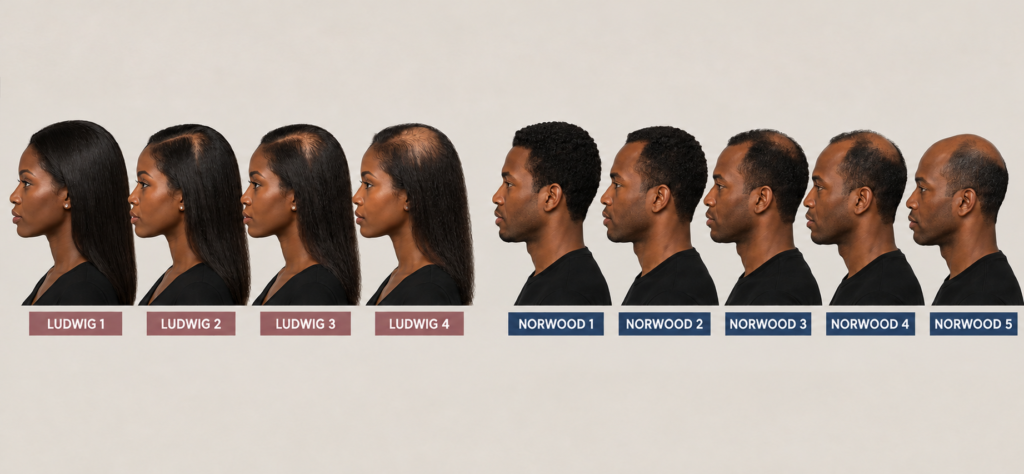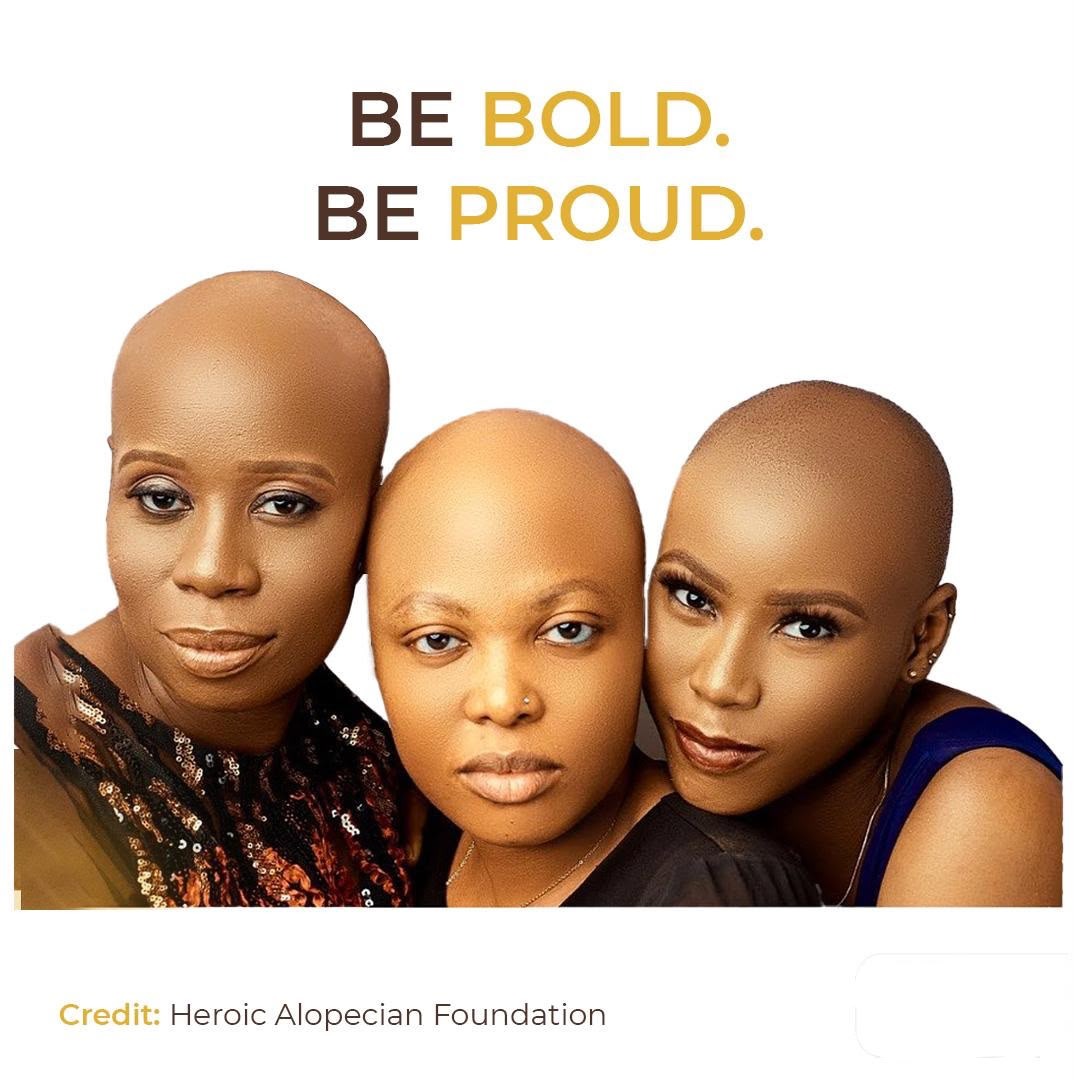
BOLD. PROUD. UNAPOLOGETIC: Understanding Alopecia and Celebrating Every Hair Loss Journey
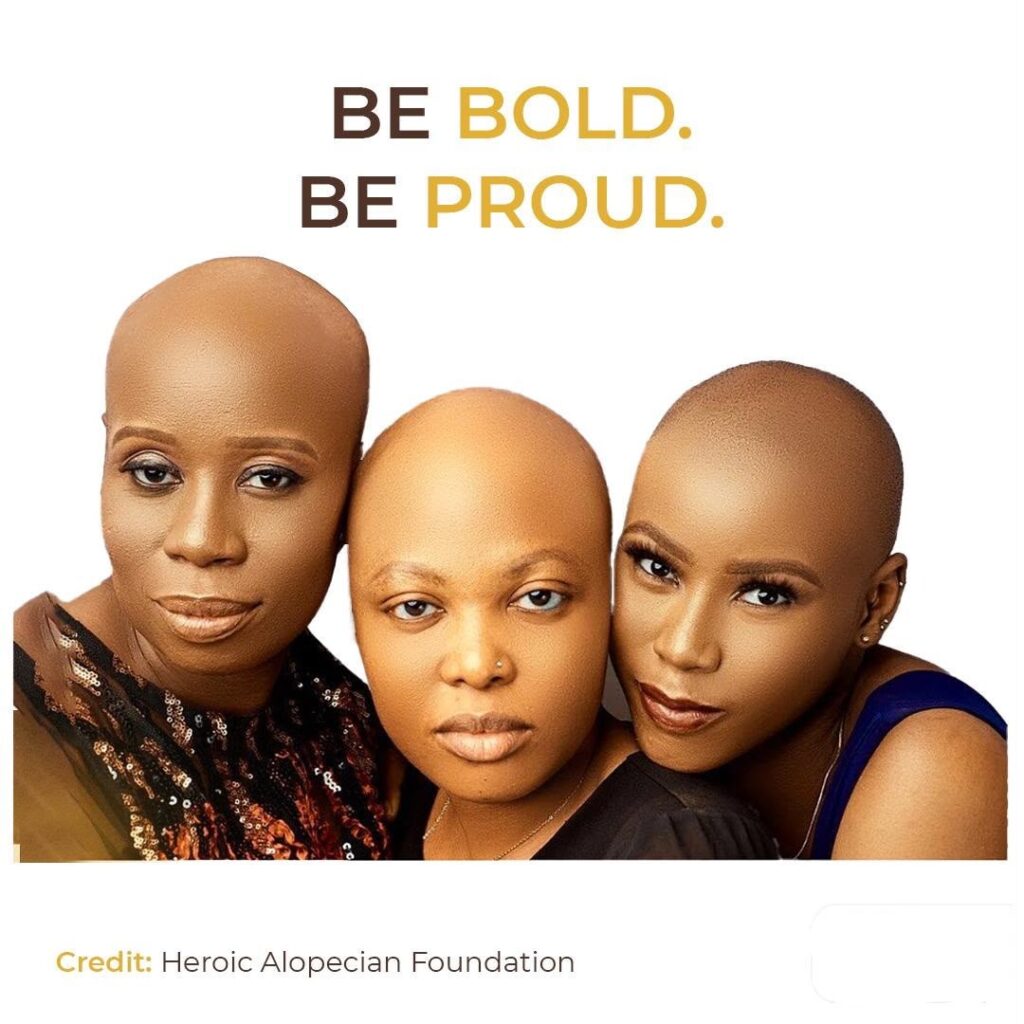
Hair can be an important part of how we see and express ourselves. It can shape our identity, personal style and sense of confidence.
So, when hair loss begins, its impact can extend far beyond what we see in the mirror. For some, hair loss may be temporary, while for others, it can be a longer-term experience linked to conditions such as Alopecia.
Understanding Alopecia is an important step towards changing the conversation around hair loss. It means learning about the different ways it can present, recognising the importance of professional guidance and, most importantly, remembering that a person is so much more than their hair.
What Is Alopecia?
Alopecia is a general term used to describe hair loss.
It can affect anyone and may occur on the scalp or other parts of the body. Depending on the type of Alopecia, hair loss can happen gradually or suddenly appear in small patches or affect larger areas.
Alopecia can have different causes, which is why understanding the type of hair loss you are experiencing is important.
Hair loss is not always simply a matter of using the “right” product or changing your hair routine. In some cases, it may be linked to genetics, auto-immune conditions, hormones, medical conditions, medications or other factors.
No two Alopecia journeys are the same.
The Different Types of Alopecia
Alopecia can present in several different forms. Understanding the differences can help you recognise changes in your hair and know when it may be time to seek professional advice.
Alopecia Areata
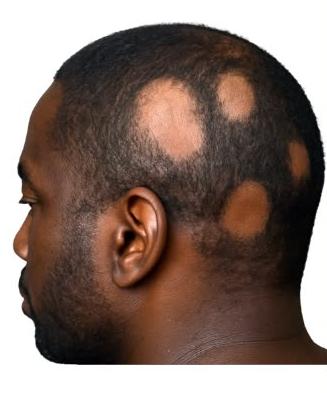
Alopecia Areata is an auto-immune condition that can cause hair to fall out in small, round patches.
It can develop suddenly and may affect the scalp, eyebrows, eyelashes or other areas of the body.
For some people, the hair grows back on its own. For others, hair loss may persist or return over time.
Traction Alopecia
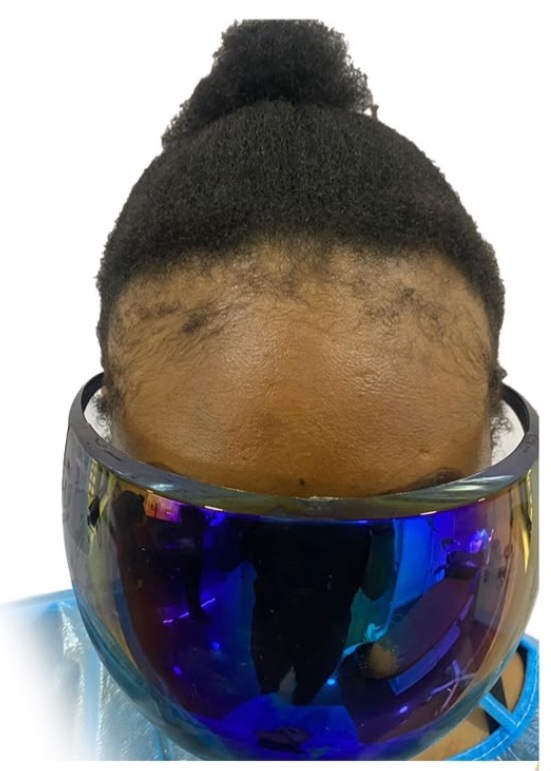
Traction Alopecia occurs when repeated pulling or tension is placed on the hair and scalp over time.
Certain hairstyles and hair practices that consistently place tension on the hairline can contribute to this type of hair loss.
Recognising the signs early is important because continued tension may lead to permanent hair loss.
Alopecia Totalis
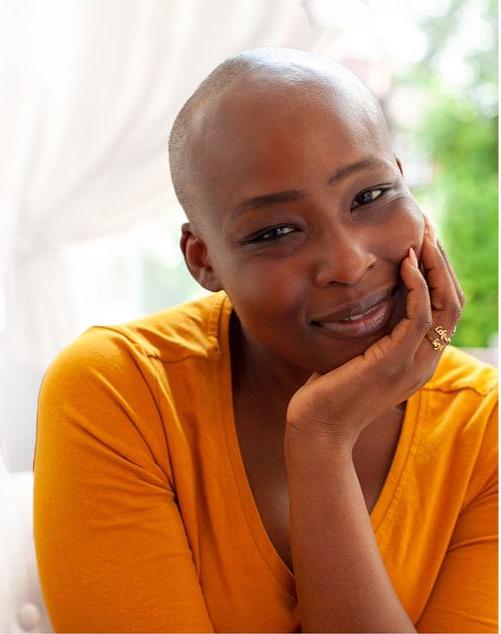
Alopecia Totalis is a more extensive form of Alopecia Areata that results in the loss of all or nearly all hair on the scalp.
The extent of hair loss can have a significant emotional impact on some individuals, making understanding and support particularly important.
Alopecia Universalis
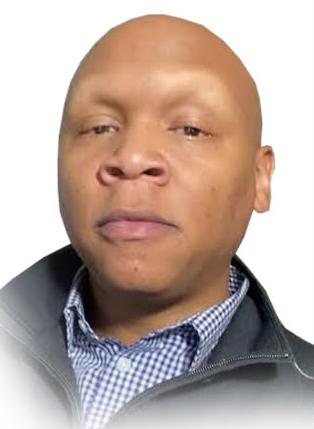
Alopecia Universalis is a rare form of Alopecia Areata that causes extensive hair loss across the body.
This can include the scalp, eyebrows, eyelashes and body hair.
Androgenetic Alopecia